Virtual reality has come a long way since the Oculus Rift consumer model
launched in 2016, but the medium is still missing its killer app. There
are plenty of great virtual reality games available, but there's
nothing that makes the investment a must for gamers. Boneworks
doesn't quite fit that bill as VR's killer app, but it is a huge step
in the right direction and a highly innovative game that should pave the
way for more ambitious VR games in the future.
Boneworks in its current state feels more like a tech demo
than it does a full-fledged video game. The appeal of the game is
interacting with the world and not so much progressing the story or
solving its puzzles, which feel half-baked at best. Boneworks
also suffers from some technical problems that make it seem a bit
unfinished at times, but even so, the game's innovation in the VR space
simply can't be denied. It's something that those with VR headsets should try because while its execution is a little off, it shows where VR can go next.
The immersion in Boneworks is undeniable, with the game
giving players unprecedented control to experiment with the game world.
Every object has its own physics and can be messed with; if players walk
into a break room, they can pick up each individual pop can on a table
or even flip the entire table over itself. Some of the most fun that can
be had in Boneworks is just simply picking things up and seeing what can be done with them. The level of interaction in the game world makes Boneworks
stand out compared to other VR games, and should make the game worth a
the price of admission for any virtual reality enthusiast.
Fans of Valve's Half-Life and Portal games should also consider giving Boneworks a look. The game is clearly inspired by those titles, from its aesthetic to its physics-based puzzles. Boneworks
leans hard into its inspirations, going as far as to have a Gordan
Freeman-esque crowbar readily available for players to use as well as
having Companion Cube-like weighted crates for some of the puzzles.
Boneworks' gameplay mainly consists of solving puzzles, but
combat is gradually introduced and becomes more advanced in each stage.
Every enemy can be a legitimate threat in Boneworks, so it's
always nerve-wracking getting in close for melee kills, but luckily
players will find themselves properly armed before too long. Loading
guns requires popping a clip into place and then pulling back the
chamber, which is another way the game manages to feel more immersive
than most.
Weaponry is kept on the player character at all times, with players
having to manage their inventory space in real-time. They can bring up a
menu that makes things a little simpler, but it's more immersive and
fun to reach behind one's back to put an axe away or physically grab a
pistol from its holster. The only downside to this is that the game
doesn't always read what the player is trying to do, so an attempt to
put a gun away may just see it fall to the floor. There's also an issue
where the game reads trying to pick up an object in front of the player
as them trying to grab a clip, which leads to a lot of forgotten clips
landing on the ground.
Combat isn't always a huge part of the Boneworks experience,
but it's fun when it does happen. The combat encounters feel just as
old-school as the rest of the game, which will appeal to some fans but
others may find themselves wanting more depth.
Unfortunately, actually playing through the game is where Boneworks becomes infinitely less interesting and oftentimes kind of frustrating. Some of Boneworks' Half-Life
style physics-based puzzles are designed in a way that players can
literally make it impossible for themselves to continue without starting
over. For example, an integral object that players need to utilize
could fall in an area where it can't be retrieved, and players are just
stuck until they restart.
It's not always clear what Boneworks players need to do to
proceed, though, so players may not realize that they've made it
impossible to complete whatever puzzle they were working on, leading to
hours of confusion. The level design doesn't help either, with Boneworks
perhaps taking too much inspiration from 90s first-person shooters in
that regard. It's not uncommon to find oneself stuck in an object after
miscalculating a jump, for example, and players may also find themselves
getting lost in the game world. Pretty much all the environments look
similar to each other, which sometimes makes it difficult to figure out
where to go next.
Boneworks' levels are all mostly similar from an aesthetic
standpoint, with most stages having the same drab suburban corporate
office-look to them. This is done as part of the game's commentary on
corporations and as part of its clear Portal
inspiration, but a bit more visual variety in the stages would've been
greatly appreciated. As it stands, going from one same-looking level to
the next can get dull, especially during extended playthroughs.
The biggest downside to Boneworks, though, is its sometimes
sloppy technical performance. It's not uncommon for players to get their
arms stuck at weird angles, and we also experienced one frustrating
glitch where we wound up permanently stuck in the crouch position. Boneworks
has some excessive load times (understandable as its levels are all
fairly large), so having to reset a stage because of the crouch glitch
or a puzzle getting screwed up can be especially frustrating.
Despite its frustrations and some half-measure design, Boneworks
is still a game that is easy to recommend for VR fans. There's a lot
about its immersion that other VR games could learn from, and hopefully
build an overall better game around. If nothing else, its Valve-inspired
visuals and puzzles may hold some fans over until they can get their
hands on Half-Life: Alyx. In the meantime, Boneworks
is the kind of game that people can use to show their friends some of
VR's more exciting capabilities, though it's a little rough around the
edges to be something that one will want to spend all their time
playing.
Google Stadia is clearly struggling. While there was some enthusiasm
for Google's new video game streaming service out of the gate, things
have since stalled, with barriers like Internet data caps and weak wi-fi connections
keeping most gamers from even giving it a chance. Those who do have
adequate Internet to experience Stadia to its fullest don't really have
much to play on it at this time, though Google has worked hard to pad
its library with various third-party releases. Recently, this has
included Tom Clancy's Ghost Recon Breakpoint, but a poorly-received tactical shooter/looter-shooter hybrid doesn't exactly do much to make Stadia a more appealing prospect.
Ghost Recon Breakpoint
suffers from the big problem that many other Stadia third-party
releases suffer from, and that is a generally dead online community. The
poor reception to Ghost Recon Breakpoint likely means that
versions of it on PC and consoles probably aren't all that
well-populated either, but the Stadia version is even less-populated.
Stadia has a significantly smaller userbase when compared to other
platforms, and so this isn't exactly surprising, but it's been a common
problem for Stadia ports.
When players first attempt to connect to Ghost Recon Breakpoint's
online servers, they will be asked to create an Ubisoft account. While
this is really just a minor inconvenience, it is nevertheless another
barrier that may keep some Stadia owners from even bothering with the
online, shrinking the potential player pool even more. Considering how
difficult it is to really experience the online in Ghost Recon Breakpoint's Stadia release, it seems like it would have been better to make the process as simple as possible.
As it stands, Ghost Recon Breakpoint's online multiplayer
experience is practically nonexistent when compared to the game on other
platforms, though its online is a bit more populated than, say, the Xenoverse 2 Stadia port.
It sometimes takes quite a long time to get into a public co-op
session, and usually it's just with one other person instead of a full
squad, but it's better than literally never finding anyone else online
at all.
Getting into a PvP match is a different story, with nearly hour long queue times. Anyone thinking about getting Ghost Recon Breakpoint on Stadia for the Ghost War PvP multiplayer should definitely think twice about it, as PvP is completely dead at this point. And chances are Ghost Recon Breakpoint's Stadia population will continue to get smaller as time goes on, so things will just get worse.
When players do manage to get into a game with someone else, they
will be able to take advantage of an interesting feature unique to the
Stadia version of Ghost Recon Breakpoint. Ghost Recon Breakpoint utilizes the Stadia Stream Connect feature,
which allows players to watch what their teammates are doing. Stream
Connect is a neat tool and while it doesn't really have a ton of
practical use in Ghost Recon Breakpoint's current dead-online state, it's easy to see how it could be hugely beneficial in other games.
Even if Ghost Recon Breakpoint's online multiplayer was well-populated, the game itself is still mediocre at best. Ubisoft is changing its approach to game development
partly because of this game, which plays like all of the company's
other open world games. Players explore a huge map populated by enemies,
vehicles, animals, and a bunch of random activities to partake in. But
while there's a lot of stuff to do in Ghost Recon Breakpoint,
none of it is all that interesting outside of the main story missions,
so most players will find themselves just running from one mission to
the next. All the open world accomplishes is keeping players from
engaging with the actual content.
Besides having the generic Ubisoft open world, Breakpoint also has The Division's looter-shooter elements. As pointed out in our original Ghost Recon Breakpoint review,
the problem is that bullet sponge enemies and the like that are
associated with looter-shooter games don't translate to a tactical
shooter series. The compromise is that none of the gear really matters
or feels different in the slightest. Most enemies are still killed with a
single shot to the head, with the exception of special bullet sponges
that players sometimes encounter. It's only then when the gear really
makes a difference, but since most encounters aren't against bullet
sponge enemies, it seems like Breakpoint would have been better
off just dumping its gear system entirely. In its attempt to be both a
tactical shooter and a looter-shooter simultaneously, Ghost Recon Breakpoint falls short in both categories.
Players have the freedom to approach many situations stealthily like in a classic Ghost Recon game,
but most shootouts can be survived by simply hiding behind something
and shooting enemies as they bull-rush their location. The AI in Ghost Recon Breakpoint
is some of the dumbest in franchise history, only ever putting up a
challenge when players are caught out in the open or have to face off
against enemies where better gear actually plays a role.
To make matters worse, Ghost Recon Breakpoint is buggy, and things haven't improved all that much in the Stadia version. The camera in Ghost Recon Breakpoint
likes to get stuck in odd positions when players move in and out of
cover, and running into something while driving may very well send
players flying through the sky. Driving controls are generally clunky,
and that combined with how easy it is to get stuck on terrain makes
driving in Ghost Recon Breakpoint a frustrating experience.
Unfortunately, with mission objectives often many miles apart from each
other, players will be spending the bulk of their time with the game
wrestling with the driving controls to get from one point to the next.
Exploring Ghost Recon Breakpoint's open world isn't fun, but one positive thing that can be said about it is that it looks quite good. Furthermore, Ghost Recon Breakpoint runs great on Stadia, with minimal stuttering and lag that sometimes plagues other games on the platform.
But while the Ghost Recon Breakpoint open world looks good,
the same can't be said for other aspects of the visuals. The art style
is bland and generic, and many of the NPCs are just downright ugly.
Foliage also has a weird tendency to shake in a non-realistic way
whenever there's any wind, and things like that make the otherwise
gorgeous-looking game world look rather cheap.
Ghost Recon Breakpoint is average at best when everything is
going right. The Stadia version has a barely-existent online community
that makes some of the modes and features inaccessible, making it the
worst way to experience the game by a wide margin. The Project Titan Raid
is apparently in the works for the Stadia version, but if the game's
online population doesn't grow, it's hard to see Ubisoft seriously
supporting it as much as other versions of the game. Ghost Recon Breakpoint
is already a shaky recommendation on other platforms, but it is
impossible to recommend for those looking to grow their Stadia library.
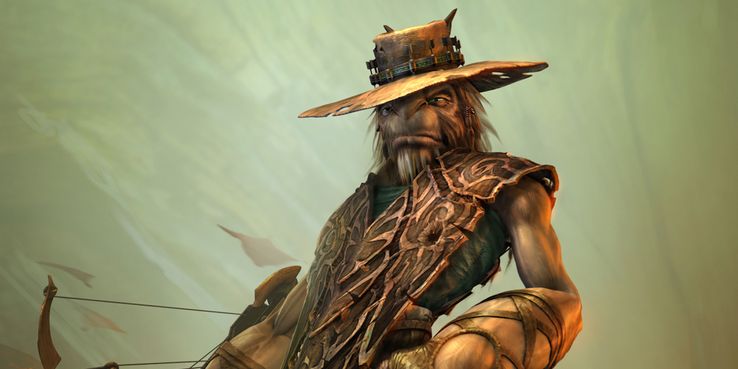
Oddworld: Stranger's Wrath HD is a game
that clearly has a lot of good ideas and design polish put into it, but
it suffers from its age too much to really shine. The original Stranger's Wrath
launched in 2005 to critical acclaim, while updated versions have been
released for various consoles including the PS3, Vita and PC over the
years since. The HD version is now on the Switch with updated controls, but the game feels remarkably similar to its original form.
Stranger's Wrath
follows the eponymous player character, Stranger, as he bounty-hunts
his way through an old-west inspired setting filled with
anthropomorphized animals as townspeople, bandits, and other NPCs.
Stranger starts his journey on a quest to make enough money for a
life-saving operation, but the tale becomes embroiled in betrayal,
secrets, and an evil plot as Stranger gets closer to his goal. The story
and worldbuilding are the primary attractions, while decent
third-person platforming and a unique first-person-shooting mechanic
based on different ammo types make up the majority of gameplay.
The characters, setting, and story are a big part of what makes Stranger's Wrath unique. It joins the roster of several other Oddworld games, but it is the only one with a first person shooting mechanic. It has a nostalgic Oddworld
flair, with wacky, over the top characters and voice acting. Stranger
comes across as a gruff, brooding answer to classic mascot platformers
like Spyro and Crash Bandicoot.
This characterization might come off as bland at first, but it becomes
charming with time and an appreciation for a stoic old-west gunslinger
attitude in the context of the brightly colored, loud, and energetic
character designs of the time the game first released.
The story is slow to start off, lulling players into a false sense of
monotony. However, when the twists come, they come hard and fast. The
tale takes some surprisingly dark turns for its goofy facade, with
genuinely intense, shocking, and even saddening moments. There is no
need for spoilers here, but suffice it to say that Stranger's Wrath
tells a story that is oddly mature for a game with such crude humor and
cartoonish character designs. This is nothing new for those who are
familiar with the storytelling of other Oddworld games.
The story and levels are almost completely linear. Players receive
one task at a time, complete it, and move on to the next. Those who are
used to the modern standard of multiple ongoing narratives at a time and
branching level design may find this boring. The pattern of getting a
bounty, going through a linear level, beating a boss fight, and then
coming back for another bounty can get pretty repetitive.
That being said, every level is very polished, with purposeful design and great pacing. Thanks to the HD PSN release from 2011,
the game still looks pretty good for what it is. There is a good amount
of variety in the dusty desert, from crumbling temples to barren
gulches and dark caverns. Meanwhile, subtle touches like red flowers
placed in the foliage near important parts of each level display
the attention payed to each stage. Areas usually consist of some
traversal puzzles, light obstacles, and arrays of enemies that must be
taken out with a bit of planning and ingenuity.
To dispatch foes, players must collect different small creatures
within the environment around them, then save them for later use. Each
type of "ammo" has its own use, from a rabid furball proximity mine to a
skunk smoke bomb. Players can load two types of critter into their
crossbow at a time, and use them to strategic effect to clear each area
of enemies. This rewards creativity, as capturing enemies alive (by
stunning them then sucking them up ghostbusters style) results in a
bigger payoff upon return to the bounty office. Ammo collection and
varying ammo types are pretty fun and interesting mechanics, especially
considering how long ago they were introduced. Even the more mundane
mechanics for sprinting, shaking off damage, and platforming feel
satisfying and polished. Tilt controls can also be used to aim more finely in first person, but in practice it does not help much.
One thing, however, prevents these mechanics from holding up fifteen
years after they were thought up: the controls. The controls are the
most glaring issue with Stranger's Wrath, and being on the
Switch does them no favors. It feels like very few changes were made to
the controls for the new platform, and it can't be understated how
unfortunate that is. The third person camera is so sluggish it hurts.
Side to side movement is somewhat bearable, but when looking down over
an edge (of which there are many) or up to a climbing rope, the camera
moves so slowly that it's hard to avoid tapping one's foot in boredom
while waiting an eternity just to see a bit ahead. This is particularly
unfortunate, considering that Stranger's Wrath on the Vita was adapted very well to a small, portable format.
Conversely, first person aiming is so sensitive that it is a genuine struggle to aim accurately even with a Pro Controller.
To add insult to injury, there is only a single camera sensitivity
slider. Putting the sensitivity low enough to aim in first person means
essentially giving up the ability to move the third person camera at
all, while making it sensitive enough to smoothly pan in third person
makes shooting a twitchy, wide-swinging nightmare.
There was simply not enough effort put into updating the controls to a modern standard. Great remasters like Link's Awakening
completely overhaul everything in the game to make it new again.
Acceptable remasters will settle for making just a few quality of life
updates. The lack of attention to updating Stranger's Wrath instantly
ages the game beyond what most players outside of nostalgic fans will be
able to tolerate. This is not just a remaster of a fifteen-year-old
game, it is a re-release of a nine-year-old remaster of a
fifteen-year-old game.
The other major issue with the game is that it does not benefit from being on the Switch. Some titles seem perfect for the Switch,
benefiting immensely from being portable, while still having a depth
that merits being put up on a big screen when possible. Unfortunately,
most first person shooters do not feel very good on the small handheld
controllers for the Switch, and Stranger's Wrath falls into
this camp. The game does not benefit much from being portable, and might
as well be played on any other console. At the very least, its simple,
clear level designs are easy to read even on the Switch's small screen.
All in all, Stranger's Wrath was a great game... fifteen
years ago. It's still good, but after so long it does not age well
enough to warrant the $30 price tag. It is a bit too simple and
repetitive to be fully redeemed by its careful design. It is still a
surprisingly entertaining romp, and will likely provide a lot of fun for
younger players or nostalgic fans. By modern standards though, there
are plenty of better games out on the Switch that have a similar level of polish but feel smoother to play and benefit directly from being on a portable console.
For years, most VR games were just glorified tech demos, rarely
offering a true, full-fledged gaming experience. However, that's
starting to change, with more games coming out that feel like
fully-featured games on par with titles on traditional platforms. The Walking Dead: Saints and Sinners
is one such VR game, and while there are certainly some issues with it
that keep it from reaching its full potential, it's otherwise a rather
impressive and engaging survival-horror virtual reality experience.
The Walking Dead: Saints and Sinners
puts players in the shoes of The Tourist, who is exploring New Orleans,
Louisiana in search of the fabled "Reserve" - a treasure trove of
important survival supplies. Players are tasked with completing quests
for a mysterious man named Casey in exchange for more information on the
Reserve, all the while contending with zombies and a militant survivor
group known as The Tower.
With New Orleans mostly flooded, players have to use a small boat to
travel from one location to the next. While out completing story
objectives, players will also feel compelled to collect everything that
isn't nailed down, as the gameplay loop in The Walking Dead: Saints and Sinners
revolves around the crafting system. Players gather a bunch of junk,
take it back to the bus they live in at their home base, and then toss
it in a recycling bin to salvage the crafting materials.
These crafting materials are integral to success in The Walking Dead: Saints and Sinners.
Players can use them to create new weapons and healing items, but they
can also be used to upgrade the three crafting stations. Upgrading the
crafting stations allows for stat upgrades as well, such as increased
stamina, health, and other bonuses. Other games would typically separate
stat upgrades into a skill tree or something along those lines, but by
keeping it all under the crafting umbrella, progression in The Walking Dead: Saints and Sinners is more streamlined and better for it.
Instead of forcing players to hunt down specific crafting recipes like many other games would, The Walking Dead: Saints and Sinners instead lets them craft fan favorite weapons right away. Players can create a version of Negan's baseball bat,
as well as Rick Grimes' magnum, and they can store extra weapons on
their bus for use later. Players will feel compelled to go on extra
supply runs just to build up a reliable arsenal. There's a satisfying
sense of progression to all this, and it makes the game hard to put
down.
The weapons that players collect in The Walking Dead: Saints and Sinners
will mainly be used to kill zombies, which is where VR really enhances
the experience. Combat is visceral, intense, and realistic. If players
want to swing their barbed-wire baseball bat at a zombie's head, they
have to grip the weapon as they would in real life and swing it
realistically. This makes fighting zombies a lot more exciting than it
would be if players were simply pressing a button for combat.
Melee weapons are definitely preferred in The Walking Dead: Saints and Sinners,
though there are plenty of firearms players can use as well. Like with
melee weapons, there's a sense of realism when it comes to using guns
in Saints and Sinners, with players having to manually eject a
clip, put in a new one, and pull back the chamber back before they can
shoot. Likewise, shotguns require players to put in each shell
individually, and the same goes for a six-shot revolver. Players can
easily fumble and drop ammunition on the ground, which can make
dangerous situations even more nerve-wracking.
Fighting zombies in The Walking Dead: Saints and Sinners is fun and takes cues from older VR games like Gorn. Fighting human enemies, on the other hand, is a miserable experience. The story will sometimes force players to infiltrate The Tower's hideouts,
which are designed in such a way that it makes it seem like the
developers wanted players to go through these areas stealthily. However,
enemies can spot players instantly, even from behind objects, and there
is no time to run to safety. The human enemies are ruthless, with
players able to die in just a few shots. Stealth in the game just
doesn't work, and so players will have to resort to cheesing these
encounters.
The survival mechanics in The Walking Dead: Saints and Sinners
only exacerbate the issues with the human combat. Players are
constantly having to manage their stamina, which depletes at an alarming
rate. It will only take a few minutes after starting a mission for
players to have their stamina bar lowered an excessive amount, and the
only way to fix it is by eating, which lowers one's max health. We
reached a point in the game where it was nearly impossible to find
medicine to restore our max health, so our health bar was stuck at the
halfway mark and The Tourist wouldn't stop coughing. This went on for
hours, and it was just plain annoying.
Survival games often struggle with finding a proper balance with things like the stamina meter, but the one in The Walking Dead: Saints and Sinners
is just too harsh. It wouldn't be so bad if players didn't have to
sprint everywhere, but the player character's walking speed is
unbearably slow. Some players may also dislike the weapon durability
system, which, similarly to the stamina meter, is a bit relentless in
the early hours.
The farther players get in The Walking Dead: Saints and Sinners,
the less annoying these survival mechanics become, though supplies get
scarcer each passing day and zombies start to grow in number. Searching
for supplies later in the game can become a bit of a chore, as players
will constantly have to stop their search to pull out their weapon and
whack some zombies on the head. Even though the combat is generally
quite fun, this can become tedious after awhile.
Tedium also sets in thanks to the repetitive level design. Most areas players explore in The Walking Dead: Saints and Sinners
look largely the same. Things are mixed up a bit later on, but
generally players will be exploring similar-looking streets, looting
similar-looking color-coded houses, and interacting with ugly NPCs that
also all mostly look the same as one another.
While many of the human characters are the same, gruff-looking bald
men copy and pasted over and over again, the voice acting and writing
are strong enough that players will still find themselves interested in
the stories of the more important NPCs. There are some interesting side
quests to find in The Walking Dead: Saints and Sinners that hit
players with some shocking twists and force them to make tough
decisions, which is true to the tone of the source material.
The Walking Dead: Saints and Sinners has incredible respect for the source material in more ways than just the game's story structure. Not only does The Walking Dead: Saints and Sinners' stories feel exactly like something from the comic book series or the AMC show,
but there are many other little details that will make hardcore fans of
the franchise feel right at home. For example, if players shoot a human
enemy and fail to destroy their brain, they will eventually reanimate
as a zombie. Players are also able to cut guts out of zombies and rub
them on themselves for camouflage, which is a trick used by the
characters in the comic and the show to move stealthily through areas.
Being able to do things like cut out a zombie's guts shows just how far the level of interactivity goes in The Walking Dead: Saints and Sinners. It's reminiscent of the recent Boneworks VR game,
with players able to interact with almost anything that isn't nailed
down. This is great for VR enthusiasts who have a lot of experience with
virtual reality, though admittedly some players may find all the
different things they can do a bit intimidating at first. Even so, this
is better than bogging everything down with lengthy tutorials.
There is a very brief tutorial at the beginning of The Walking Dead: Saints and Sinners,
but otherwise players are left to their own devices and allowed to
experiment to figure out how everything works. This is just one of the
ways that the game is reminiscent of the Dark Souls series,
with the other being its death system. If players die, they are given
the option to reload a save or continue and attempt to reclaim their
loot. Like in other Souls-like games,
if players die again on their way to their loot, it's lost forever.
Most levels are small enough that players can just reload the auto-save
and not really lose much progress, though, so it doesn't really add
anything to the game.
The Souls-like mechanics don't help or hurt The Walking Dead: Saints and Sinners,
but something that does bring the game down is its technical
performance. We ran into some rather serious issues, like crashing,
stuttering, and times where the game would refuse to register when we
were eating food or trying to grab a collectible. These issues were less
prevalent than they are in some other VR games, but still enough to
cause a headache.
Technical issues aside, The Walking Dead: Saints and Sinners is generally a good time and one of the better VR horror games
on the market. The level of interactivity alone makes it a game that
many VR enthusiasts will want to check out, though expect to be
frustrated by the poorly-implemented stealth mechanics and human combat
encounters.
The Walking Dead: Saints and Sinners is out
now for PC-powered VR headsets, with PlayStation VR and Oculus Quest
releases coming later this year. Game Rant tested the Steam version
using an Oculus Rift S headset.
Fans of science fiction and space exploration games got quite a few treats last year. Whether that came in the form of The Outer Worlds' skewering of capitalism, The Outer Wilds universe puzzle box approach, or any of the No Man's Sky updates, there was something out there for every fan to enjoy. Announced at the Game Awards in 2018, Journey to the Savage Planet looks to continue that trend, and it does a fine job doing so.
Journey to the Savage Planet drops players into the shoes of
a space-explorer for Kindred Aerospace, Earth's fourth-best space
exploration company. Along with an AI companion and a blaster pistol,
players set out to find a new home for humanity amongst the stars.
Regular updates from Martin Tweed, CEO of Kindred Aerospace, let players
know how their discoveries are shaking things up back home as they try
to uncover the secrets of a lost alien race that once called the planet
home.
With a variety of tools to help back the player up and popping
environments to gaze at, exploring the planet is an absolute joy. At its
core, Journey to the Savage Planet feels like a playground.
There are things to bounce on, walls to climb up, grapples to swing
around with, and tons of obstacles to navigate. The game is at its best
when it puts all these elements together, letting players maneuver
around the planet in a variety of ways with the hope of a reward just
around the corner. It's a love letter to some of the best movement
mechanics of the generation, and the game blends them incredibly well,
easily contending with some of the best level design of last year.
While they don't have a ton of variety, there are plenty of rewards
for players to discover scattered around the world, too. Orange Goo, a
gross looking blob, will upgrade the player's health and stamina. Those
blobs are stuffed in every nook and cranny, with some being far more
difficult to collect than others. There are also Alien Alloys, a key
ingredient in upgrading the player's toolset. Alien alloys are harder to
come by, and usually require a combat or environment challenge to
complete. Alien Tablets and Explorer's Logs will help unravel more of
the game's narrative, which is pretty secondary to the exploration. It
isn't one of the best stories out there, though there is a prudent message in the end.
Finding these upgrades is the greatest joy of Journey to the Savage Planet. Progression
happens quickly, with upgrades becoming readily available as players
gather resources throughout their journey. The only roadblock for that
progression is the player's Explorer Rank, which can be upgraded through
challenges. Challenges are actually pretty fun to pull off, though they
can take some trial and error. It's a nice distraction from constantly
running between the planet's three main zones, adding some nice variety
to the adventure.
Journey to the Savage Planet is a game for explorers. Those
that want to blaze through it won't have any trouble doing so, as the
main story portion of the game doesn't take long to finish once players
have all the necessary upgrades. But Journey to the Savage Planet is
a game worth taking the time to explore. Doubling back to find things
previously unattainable usually reveals several more equally interesting
things to discover, each of which tied back into upgrading the player.
These upgrades, which range anywhere from extra jumps in the air to
weapon damage, are key to the game. They allow players to explore
previously inaccessible areas, almost like a Metroidvania,
and offer even better movement throughout the game's various
platforming challenges.That platforming isn't always perfect, grabbing
ledges doesn't always work well and mid-air movement can be a pain to
nail down at times, but it isn't enough to ruin the experience.
With mixed success, Journey to the Savage Planet is almost
constantly delivering jokes. Not all of them land - in fact, some are
pretty terrible - but there are few that actually manage to prompt a
fair bit of laughter. It's in the same vein as what Borderlands 3 humor
tries to accomplish, though a little bit more PG in a lot of instances.
Creature descriptions and world events tend to have better delivery,
while auto-playing videos in the player's ship, the Javelin, are
typically just obnoxious, save a few.
Combat, by far, is Journey to the Savage Planet's weakest
aspect. Many of the game's enemies need a certain level of precision to
defeat - precision that the blaster simply isn't great at. Projectiles
are relatively slow against fast creatures. Targets are typically small
and difficult to hit, but the aim-down-sight doesn't help precision all
that much. Using some of the planet's grenade-style resources can help
stun enemies or lock them into place, but even that can be difficult to
accomplish at times. The blaster can be upgraded to deal more damage,
hold more bullets, and reload faster, which does help immensely, but it
still isn't ideal, leading to an overall lackluster combat system.
That being said, Journey to the Savage Planet has some surprisingly fun boss fights,
shooting aside. The big baddies at the end of each zone are
surprisingly well-designed, with a blend of platforming, shooting, and
resource management happening all at once during face-offs. The only
exception here is the final boss, which emphasizes the game's worst
elements - precision shooting and confined spaces. Dodging and dashing
make the combat feel fast, but the final boss periodically restricts
players to three small platforms in its third phase, which makes the
player extremely easy to hit and kill.
Luckily, not everything on the planet wants to kill the player. Many look like they could be added to the Pokedex with very few changes. Finding new creatures, or variations of those creatures, is one of Journey to the Savage Planet's better
aspects. Of course, science experiments and a constant need for
resources will result in the player slapping, blasting, and otherwise
torturing some of the friendly inhabitants of the planet, so it's best
not to get too attached to the little critters.
As a sort of side goal, players are tasked with scanning and
documenting these creatures, similar to what one would find in a game like No Man's Sky. Each
one is memorable in its own way, often bringing along their very own
quirks and oddities. Puffbirds, cute round creatures, have a variation
that basically turns them into a mindless zombie. Some minor boss
enemies will have versions with outer layers of rock or amber that need
to be blown up or melted away before they can be damaged. They aren't
major differences, but it's enough of a change to keep things
interesting from encounter to encounter.
There's a profound sense of exploration and discovery in Journey to the Savage Planet. It's
constantly motivating the player to double back and take another look
at an area without ever explicitly telling them to. It's like being let
into an amusement park with no lines and no rules, giving players the
freedom to make their own fun whenever they need a break from an
incredibly vertical, and hardly ever uninteresting, scavenger hunt for
new resources and upgrades. It may not be an entire planet to explore,
but it could easily fill one up.
Netflix has attempted to adapt some of its biggest properties to video game form with mixed results. There have been Stranger Things games, Narcos games, and now a game based on Jim Henson's The Dark Crystal: Age of Resistance. The dark fantasy setting of The Dark Crystal: Age of Resistance seems like it would lend itself better to a video game than other Netflix game attempts, but The Dark Crystal: Age of Resistance Tactics fails to take advantage of the IP.
The Dark Crystal: Age of Resistance Tactics is a toothless retelling of the TV show's story. For those who are unfamiliar with The Dark Crystal Netflix series, it is a prequel to a 1980s movie set in the magical world of Thra. Notable for having zero human characters, The Dark Crystal
movie and TV show feature Jim Henson puppets instead of live-action
actors, and have a very unique, vibrant, and arguably quite creepy look
to them. The story revolves around the evil vulture-like beings called
the Skeksis that rule over Thra as dictators, enslaving elf-like
creatures called Gelflings and consuming their "essence" to achieve
immortality. The Gelflings become wise to the Skesis' evil ways and rise
up in rebellion against them, leading to plenty of shocking Game of Thrones-style plot twists and exciting action scenes.
The TV show spends a great deal of time building its world so even
though it is completely and utterly bizarre, it all makes sense to the
viewer. The Dark Crystal: Age of Resistance Tactics video game,
on the other hand, must assume that players have an intimate knowledge
of the TV show's lore. Someone who has never seen The Dark Crystal
TV show would be lost trying to piece together the plot of the video
game. Its narrative structure makes things even worse, starting in the
middle of the show's story, working backwards, and then jumping ahead.
It's hard to see anyone who isn't a fan of the TV show trying this game anyway, but even the most diehard Dark Crystal fans are bound to be disappointed by Age of Resistance Tactics.
Whereas the movie and TV show depict a largely original fantasy world
populated by fascinating creatures, the video game depicts a bland world
that's painfully generic. None of the charm of the TV show has
translated to the game. The visuals are drab, the music is repetitive,
there's little to no voice acting, and the whole thing just feels
lifeless. Considering how visually striking The Dark Crystal Netflix series is, the presentation of the video game is a huge disappointment.
Dark Crystal fans are likely to come away from Age of Resistance Tactics disappointed because of the presentation, but the gameplay is serviceable, if not also generic and unambitious. Dark Crystal: Age of Resistance Tactics is a turn-based tactical RPG in the vein of Final Fantasy Tactics.
Players move characters around grid-based maps, fighting enemies and
completing various other objectives. The vast majority of the game's
missions boil down to just killing everything on screen, though, so
players shouldn't expect a ton of mission variety.
Sometimes the maps have gimmicks, like rising tides or poisonous
swamps. Despite this, every battle feels the same. Players will find
themselves using the same characters in every fight, and there's never
really a reason to switch things up. In fact, it's arguable that players
are punished by using other characters, as then they're just making
things harder on themselves when it's much easier to just level up a
very specific group instead.
Battles in The Dark Crystal: Age of Resistance Tactics soon
become monotonous. Later missions are especially tedious, as players
will have to contend with more enemies who take longer to kill. This
doesn't really make the game more difficult or require more strategy. It
just makes the battles last longer. Thankfully, it's possible to double
the speed of enemy turns, but even that seems too slow near the end of
the game.
The Dark Crystal: Age of Resistance Tactics lacks excitement, but what's here is not necessarily "bad." From a gameplay perspective, The Dark Crystal: Age of Resistance Tactics is a completely inoffensive take on the turn-based tactics genre.
It lacks ambition and isn't all that fun to play, but everything works
as it should and we didn't encounter any significant technical issues
during our time with the game. Even so, the missions soon blend
together, and The Dark Crystal: Age of Resistance Tactics doesn't do much to spice things up.
Besides just fighting, players can engage with a job system similar to what's in the well-received Final Fantasy Tactics,
but it's pointless to really experiment with jobs. Players will want
everyone in their party to have the Throw Rock move and a way to heal
themselves, so they will most likely end up with a team composed of
characters with all of the same jobs. And whereas this would put players
at a disadvantage in other games, Dark Crystal: Age of Resistance Tactics
players will still be able to steamroll through most every
mission. Despite marketing itself as a tactical strategy game, players
don't really have to put a lot of thought into the missions to be
successful if they pick the right jobs.
Beyond the main story missions, there are some extra "encounters"
players can partake in as well, which are good ways to get some extra
cash or level up characters. The game is balanced in a way that players
should be able to bounce from one main story mission to the next and not
be at a huge disadvantage, so those who do participate in this side
content will soon find that their characters are way overpowered. Having
such strong characters without having to put in much effort is another
way the game doesn't really require much in the way of "tactics," but
players can turn up the difficulty to make things a little more
interesting.
Someone looking for a playable, reliable turn-based tactics game will find one with The Dark Crystal: Age of Resistance Tactics.
It gets the job done, but does so in the most generic, unexciting way
imaginable. It completely fails to take advantage of the Dark Crystal IP, and is simply not very fun to play. Instead of playing this latest Netflix game adaptation, fans of the Dark Crystal franchise would be better off re-watching the TV series and keeping their fingers crossed for an Age of Resistance season 2.
Zombie Army 4: Dead War, the latest entry
in the franchise from developer Rebellion Developments, takes players to
the year 1946 where World War 2 has evolved into the Dead War, pitting
players against hordes of countless zombies instead of living Nazis. In
doing so, Rebellion offers players fun gunplay and a stellar co-op
experience built upon the Sniper Elite 4 engine, but if the title sounds all too generic, it's worth noting a majority of the game feels that way too.
Players will be able to choose one of four characters—Karl, Boris,
Shola, and Jun—and a weapon loadout composed of a primary rifle, a
secondary, and a pistol. Each character has unique attributes, with
players able to modify their characters further with perks unlocked via
gameplay. For example, players who pick up a lot of heavy weapons in the
field will eventually unlock a perk that allows them to better utilize
heavy weapons, whereas some are unlocked by leveling up. Rebellion Developments' Zombie Army 4 allows
players to design their weapon loadout to tailor their gameplay,
whether that's adjusting the weapon with explosive rounds, a vampiric
scope, or a mod that allows one player to heal another.
That is practically the crux of the game: gunplay and co-op. Players
will be able to figure out which weapons they prefer, which mods fit
their play style, and go into the field suited for most scenarios.
Sniping zombies or blowing them away with heavy weapons creates a
genuinely fun experience backed with excellent co-op gameplay in Zombie Army 4: Dead War.
However players choose to design their own character, the co-op seems
symbiotic as if the game itself were designed for co-op. This is evident
in every part of the game, whether it's the quest design, the loadout,
the character interactions, and even the overall stability of the game.
Luckily, Zombie Army 4 players don't need to worry about any
bugs or glitches that affect the ability to play online with co-op
partners, as the worst glitch that we came across was a camera snafu
when shooting a sniper rifle. Other than that, it was a straightforward
and solid experience that helped drive the full capabilities of its
co-op home.
There's also something to be said for the game's exploration and the various smaller features available in Zombie Army 4.
Some of the best moments of the game arose when exploring alongside our
co-op partner, and there'd be a train carriage or house to explore.
Several times, collectible Zombie Hands would be inside doing something
strange, or there'd be dolls that would appear in safes, in the woods,
on bridges, and in other areas. When shot, these dolls would react in a
variety of ways that reward the exploration.
Death itself is a rather interesting mechanic as well. When players
die, their characters return as a zombie until they either decide to
quit in single player or get killed and/or respawned by their co-op
partner. Shooting these dolls, collecting the zombie hands, and
coming back from the dead add a nice air of eerie ambiance to Zombie Army 4, yet this isn't really enough to cast it among the best zombie games out there.
Zombie Army 4 players will quickly realize that this is
practically all the game has to offer, and without a co-op partner, the
main campaign is more monotonous than anything. Players will repeat the
same grindy process throughout, whether that's breaking arbitrary
barriers known as blood seals (by killing zombies), filling blood
fountains (by killing zombies), and dealing with summoning shrines and
rifts (by killing zombies). There are a few unique enemy designs as
well, but by large, it's generic zombies and zombie heavies. The game
ships itself as a zombie game, so on the one hand, this isn't altogether
too surprising or different from what the franchise has done in the
past, but it does evoke a sense of zombie fatigue after a few hours.
This is only worsened by a mostly unremarkable story. Zombie Army 4
players spend a lot of time repeating the same game mechanics in the
same story vein, destroying hellgate after hellgate until Hitler's
eventual revival. On this point, it's worth noting that this isn't the
type of game that should be played for its story, as it offers zombie
levels of mindless fun to enjoy. Zombie Army 4 is largely
predictable and unoriginal, and while that does count against it, the
title practically says it all. Outside of the main campaign, there's
also a Horde Mode and Weekly Event players can check out.
Once again, though, the Horde Mode offers little if not done so in
co-op. It is wave after wave of enemies but feels so limited due to a
lack of variety. There's simply not enough guns to make a Horde Mode
truly enjoyable, and while players can find their guns and have them
adapted to their loadout, there's a lot of senseless grinding involved
in trying to make that an effective reality.
The Weekly Event offers some replayability by introducing new
elements to main campaign missions, but the only point in this would be
to continue leveling up and improving a player's various loadouts for
the Horde Mode. For those who are obsessed with maxing out characters
and love to endlessly grind, this is a beneficial element to Zombie Army 4,
but for those who are in it just for the fun, there is some here but
not near enough. This element makes the game feel like the ill-conceived
and rotten child of Call of Duty Zombies and Left 4 Dead, containing elements of both games but failing to reach the same level.
At its core, Zombie Army 4 feels uninspired and fails to capture anything unique. With the plethora of zombie video game content out,
it seems safe to say that there is plenty out there that have done it
better. For zombie enthusiasts or those with a dedicated co-op partner,
this game is a reasonable recommendation, but for anyone looking for
something more, there are other games out there that can check all the
boxes of a zombie game but still offer a unique experience. This is more
than can be said for this game, and while it is typically best to avoid judging a game by its cover, Zombie Army 4's cover says it all.
Zombie Army 4: Dead War is out now for PC, PS4, and Xbox One. Game Rant was provided a PS4 code for the purposes of this review.
You're going to be doing a lot of talking in The Outer
Worlds. Or, rather, you're going to have a lot of people talk at you
before selecting from one of several pre-written dialogue options in
response. Anyone who's played a Fallout game won't be a stranger to this
kind of interaction, but The Outer Worlds is keen to put these
discursive parlays at the forefront of its role-playing experience.
In
fact, I'd wager that over two thirds of my time with The Outer Worlds
was spent in conversation with Halcyon's denizens, all fully formed with
their own thoughts and motivations, and brought to life through strong
voice performances and convincingly rendered facial animations across
the board. That amount of verbiage will sound off-putting at first, but
these are some of the most well written, multi-faceted, intelligent and human
NPCs I've ever had the joy of getting to know, and the intricacies of
conversing with them brings its own kind of rewards, making for The
Outer Worlds' best moments.
These
characters will react so acutely to your behaviour, the company you
keep, and the events that transpire around them, it hurts my brain to
even imagine how Obsidian accounted for every dialogue tree stored
within their coded personas. Whether it's a potential boss fight
suddenly becoming a lucrative trade partner after it turns out he's
friends with one of my companions, or a total stranger expressing their
disgust at my choice of clothing, I never got tired of discovering how
Halcyon's inhabitants would express themselves in conversation, even if I
did sometimes find myself skipping through chunks of dialogue when the
exchange got too exposition heavy.
Close encounters
The Outer Worlds frontloads its deep dialogue systems because
Obsidian knows that's where its strengths lie; but it's still a shame
that the game's combat still feels relatively undemanding and
rudimentary in comparison. There's nothing particularly wrong with it,
per se, but the game's array of first-person firefights and melee brawls
don't quite enthral in the same way as its contemporaries, even with a
fairly substantial arsenal of weapons at your disposal.
Take Tactical Time Dilation; a side-effect of your character's sudden
awakening from cryosleep which lets you slow down time at will. It's
The Outer World's replacement for Fallout's VATS mode, yet lacks that
system's strategic orientation and memorable sense of impact, thus
ending up as a forgettable gimmick that adds little depth or colour to
combat. Sneak enthusiasts will also likely be disappointed by the The
Outer Worlds' ropey stealth mechanics, which make it frustratingly
difficult to execute covert kills without alerting other nearby enemies,
especially in the absence of ranged tools like crossbows or silencers.
There
is, at least, a full cast of recruitable companions, two of whom can
join you on your adventures at any one time, and bring their own
flavours to the carnage via special attacks that lend a pulpy, cinematic
flair to critical hits. Watching them stomp, smash, quip, and drop kick
their way through enemies was enough to keep fights entertaining, even
if the efforts of my own attacks never connected with as much panache or
impact.
Here's the thing, though; you can avoid The Outer Worlds' combat
encounters almost entirely if it's not your cup of tea, because the
choices about the kind of spacefarer you want to be affects the player
experience from top to bottom, as emphasised from the moment you boot up
the game and start creating your character.
Invest your Skill
Points in Engineering and Stealth, for example, and you should be able
to hack and lockpick your way around any nearby aggressors, while those
with the gift of the gab (a.k.a. a high Dialogue and Temperament build)
can usually pursue verbal alternatives to violence, avoiding the need
for any conflict in the first place. The freedom to progress your
character through The Outer Worlds' dizzying brew of attributes, skill
points, perks, flaws, companions, armour and weapon management, and
reputation borders on limitless, and practically demands multiple
playthroughs of its 25-30 hour campaign.
Decisions, decisions
That
campaign is just as enrapturing and open-ended as The Outer Worlds' old
school RPG foundations, too, beginning as a simple quest to save your
abandoned colony ship from being left in orbit by Halcyon's ruling
mega-corporation The Board, and unfolding into something else entirely
over the course of your planet-hopping escapades. That's thanks to
Obsidian's masterfully constructed branching narrative, one that's
completely free from any binary morality system to weigh it down.
You can kill friends, partner up with former enemies, or terrorise
entire towns if you want to, but Obsidian's carefully layered system of
failsafes and alternate pathways means there'll always a plausible route
for you to pursue each questline, with no arbitrary gauge of right and
wrong to push you in certain directions. In a way, this makes some of
The Outer World's narrative choices even more tough to grapple with, as
they all sit in deliciously uncomfortable grey areas with no gamified
moral code to rely on for answers.
I can't count how many times I
was about to close the books on one of The Outer World's many
multi-layered quest lines with a decision, before one last minute factor
(perhaps one of my companions suddenly voicing their opinion on the
matter, or an uncovered computer log revealing a new side to the story),
made me reconsider my choices all over again. The Outer Worlds'
multiple endings are an inevitable offshoot of that fluid structure,
then, but - no matter how you see in the credits - you'll know you've
left a determinable impact upon this world, one that will have changed
the course of its future.
And what a world it is. Halcyon has
been meticulously conjured up by Obsidian from top to bottom, with some
of the finest writing and world-building I've seen from a game in recent
memory. The studio sets its sights firmly on the avaricious extremes
and laughable absurdities of crony capitalism, consumer culture, and
red-tape bureaucracy, littered with satirical parables of exploitation
that are as tragic as they are rib-tickling in their jet black
punchlines.
Everyone in Halcyon has a story to tell about corporate
mismanagement, mistreatment, or straight out malevolence, each one
darkly humorous in tone yet not too far-fetched from the stories of
greed and callousness you see in the real world today, making them all
the more powerful as indictments of the ruling class. But there's real
soul at the heart of this dystopian milieu, too, especially when it
comes to your crew of motley companions. Each recruitable team mate (who
will also readily leave your services if you do something to piss them
off) steps aboard your ship with their own personal worldviews,
emotional baggage, and connections to Halcyon, but watching this group
of strangers slowly gel into a united crew of friends is genuinely
affecting.
From
the adorably naive Parvati, to the curt yet always surprising Vicar
Max, the way in which each companion develops believable relationships
with you and each other evokes the kind of space crew camaraderie that
harkens back to the best of Mass Effect 2. By the end of my travels, I
was completely invested in the world of Halcyon as a living, breathing
place, and can only hope this is just the beginning of a brand new
franchise for Obsidian, especially now that it's a first-party studio
with the might and support of Microsoft behind it.
Each of
Halcyon's various zones are relatively small in size, but Obsidian makes
up for that more focused scale with a strong sense of environmental
diversity, from drifting megamalls soaked in neon to terraformed jungles
of engorged fungi and craggy red rock. Not only that, but one of The
Outer Worlds' greatest distinctions from its most obvious comparison,
Fallout, is its exceptional level of polish, at least on PlayStation 4.
Playing on a standard PS4 Slim, the game ran at a reliable and steady
framerate, with only the odd freeze and texture pop-in occurring here
and there to load in assets for new environments, while I can count the
total number of bugs I encountered in my first playthrough on one hand.
Loading times are a bit of a hassle in terms of their length and
frequency, but The Outer Worlds is an experience that's otherwise hard
to fault on the technical side, with a glowing, Golden Age inspired art
style that elevates its modest graphical makeup into some seriously
eye-pleasing playgrounds.
Obsidian's talent for sharp writing,
choice-based narrative, and complex role-playing systems have coalesced
together to create one of the strongest new IPs of the generation with
The Outer Worlds. There's plenty of room for improvement when it comes
to making combat as compelling and rewarding as the rest of the game
but, nevertheless, The Outer Worlds absolutely delivers on its premise
as an immersive, full-bodied RPG that successfully picks up the baton
where Bethesda has been dropping it of late.
Those expecting a
straight-up spiritual successor to Fallout: New Vegas might be surprised
by Obsidian's more contained and old-fashioned approach to science
fiction, but stick with this unashamedly talkative tragic comedy, and
you'll discover one of the smartest games of the year.
The developer of the MediEvil remake wanted to make a game so true to the original that modern players could still use the 1998 version's strategy guides. It succeeded. Believe me, that was the first time I've loaded up one of those old GameFAQs guides in at least
half a decade. It was a good thing I had a trove of plain text strategy
guides to peruse, too: there are winding level layouts that make the
way forward difficult to find (that anthill level is the worst), there
are key objects that are easy to miss, and there's a boss that requires
you to hit specific parts of the environment – even though those parts
of the environment don't do anything elsewhere in the same level and no other boss is like that.
Please
hold your scoffing until the end, seasoned gamers. All that is indeed
the kind of retro roughness that I expect from an old-school or
old-school-derived game. It would be easy to look past all of those
flaws, or maybe even see them as positives, if exploring stages and
doing battle felt challenging and satisfying. It feels OK.
Creaky old bones
I know it's old hat to talk about the camera in a video game review,
but since this whole game's a throwback, let's start there: MediEvil
uses a mix of fixed and free camera angles, sometimes letting you zoom
in to an over-the-shoulder view if you hold down a button. I'm
occasionally left flailing during a scene transition or as I try to find
enemies hidden in corners but it usually works fine.
Unfortunately,
even the not-at-all-hidden enemies are rarely fun to fight. Most
monsters move about the same speed as our skeletal hero Sir Daniel
Fortasque (pronounced Fort-Askew) and hurt him whenever they touch him,
so I usually try to catch enemies with wide sword swings or trap them
behind fences or walls and plink away with ranged weapons. I haven't
found a strategy that doesn't include enemies smacking me back at least a
few times, leading each level to feel like a battle of attrition rather
than a test of wits or reflexes. It's both imprecise and unforgiving,
which is a frustrating combination.
When the original MediEvil came out in 1998 it had rough combat and
camera work too. Its ambitious steps in other areas like 3D level design
and quirky, cinematic storytelling still made it a classic. Some of
those clever touches are just as fresh today; even with his means of
expression limited to jawless grunts, toothy grins, and one-eyed
squints, I enjoy Sir Dan as a character. If you share in my generation's
rampant feelings of impostor syndrome, his valiant attempt to live up
to his undeserved post-mortem glory will probably inspire immediate
sympathy as well. Unfortunately, those forward-thinking spots make the
rest of MediEvil feel even more archaic.
I
spent about 11 hours playing through MediEvil's campaign from start to
finish, and in that time I encountered a handful of annoying glitches.
The least troublesome stranded me on the map screen between levels so I
had to quit to the title and load back in (the load screens are
surprisingly long for how small most levels are). The worst occurred
when I accidentally skipped a cutscene, making two events play out at
once and depriving me of the Chalice I should have unlocked by rescuing a
bunch of Cockney fairies. Naturally that second one happened on the
damn anthill level so I felt obligated to play the whole damn thing over
again. All of my issues occurred on version 1.01 of the game, hopefully
they'll be put to rest in future updates.
Scrappy Halloween
All other criticisms aside, I can find no fault with MediEvil's release date. It is coming out at the perfect
time of year. This game is a chef's kiss worthy distillation of the
Halloween aesthetic. There are ghosts and imps and skeletons, there's a
warty witch stirring a cauldron (who sent me to the anthill but I
forgive her), and there are entire levels set in pumpkin patches and
haunted corn mazes. Even when fighting the restless dead and demons it's
more cartoonish and comedic than scary.
Most of the people or
friendly spirits Sir Dan meets poke fun at his ignoble death and missing
bits, but their sense of humor never gets too dark or morbid. There is
one unwelcome portrayal of mentally ill people as straightjacketed
cannon fodder in an asylum level. Aside from that, I enjoyed the game's
cheesy/kooky/creepy vibe, and spending time in the haunted kingdom of
Gallowmere enhanced my enjoyment of the season. Anybody who can
appreciate the powerful energy that radiates from the aisles of those
strip mall Halloween stores will likely feel the same.
That Halloween energy, that gooey green aesthetic, is what I enjoyed
most about MediEvil - what kept me going even as I groaned through too
many of the authentically loosey goosey fight scenes and platforming
challenges. If you're a big fan of the original who just wants that
with better graphics and some subtle improvements, you'll be delighted.
If you want something a little scary and very silly to play for
Halloween, you'll be pleased. If you're looking for a new game to play,
you don't have any nostalgia for the original, and there isn't at least
10 square feet of fake spider webs in your home, you should keep
looking.